
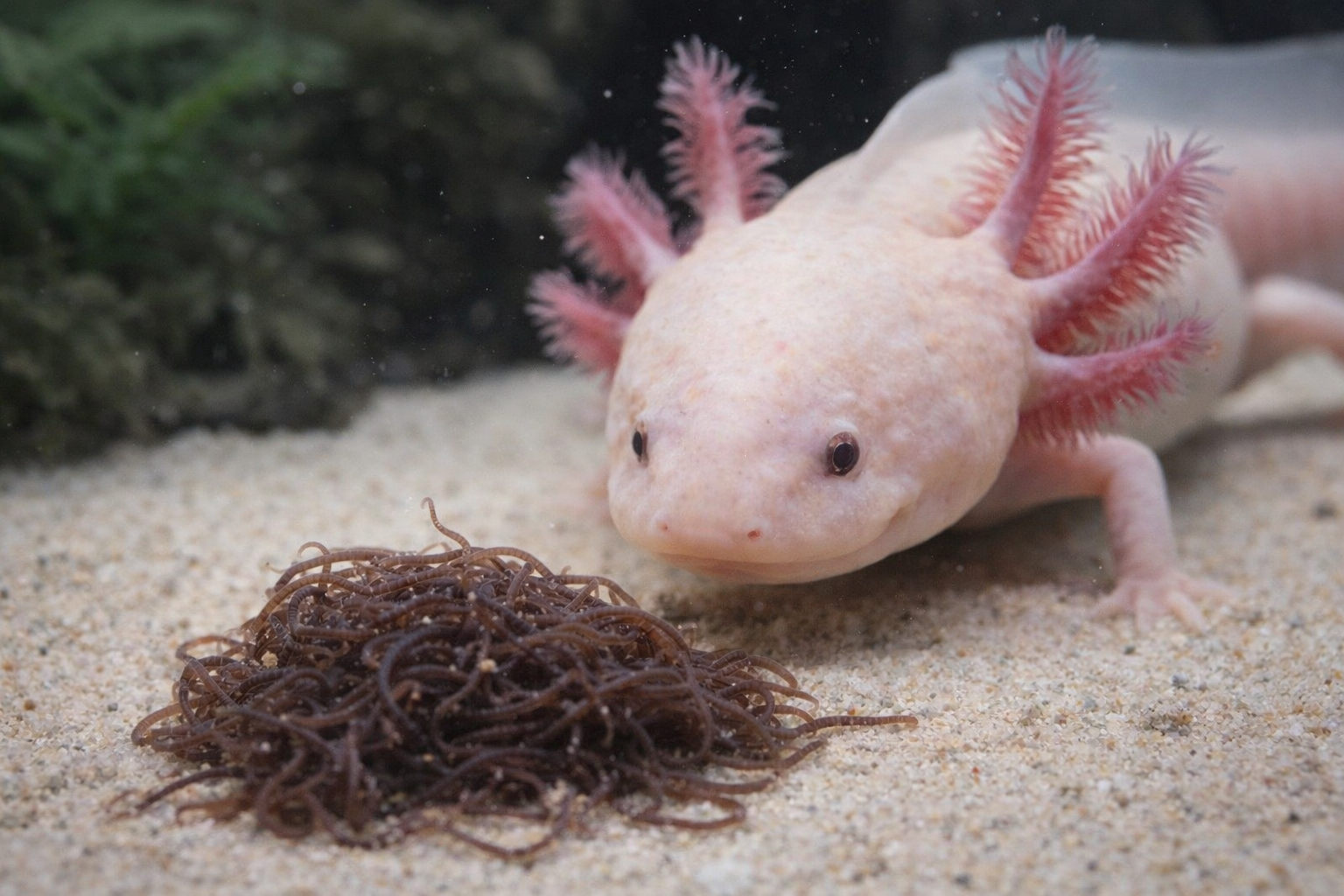
Live California blackworms
Feed the instinct. Support the animal.
Live Lumbriculus variegatus for fish, axolotls, amphibians, breeders, and other aquatic animals—cold handled and supported with practical care guidance.
Shipped live
Cold-handled
Care guidance included
Support from aquatic specialists
Whole-food nutrition
A live food animals recognize immediately.
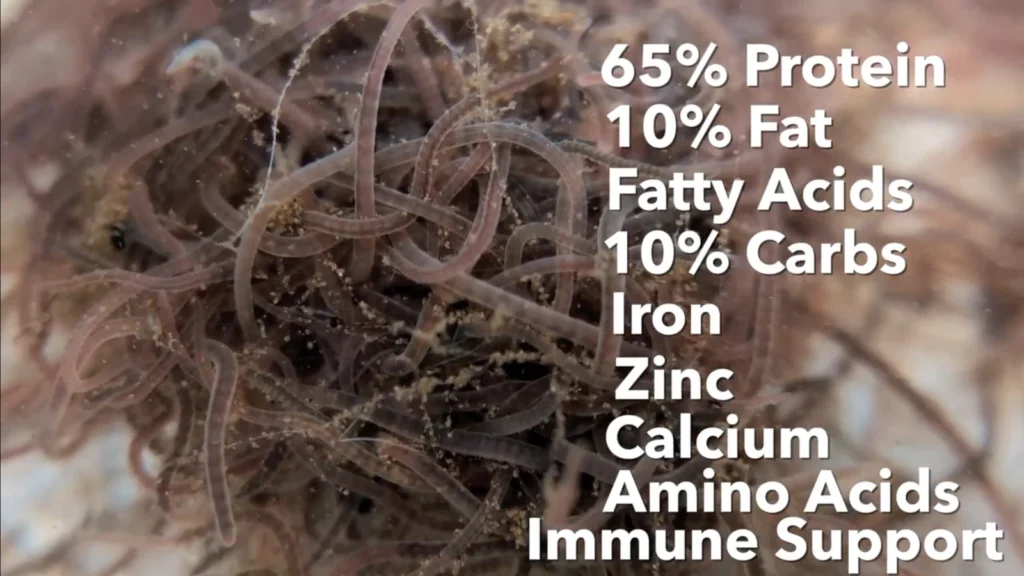
California blackworms are a protein-rich freshwater live food. Their movement encourages natural feeding behavior, while their soft bodies make them easy for many aquatic animals to eat and digest.
They can support conditioning, growth, and variety as part of a species-appropriate feeding plan.
Available now
Live food and feeding essentials
Start with live blackworms or add a dependable dry-food option to your feeding routine.
-
California Blackworms – 2oz (Greenhouse Grown)
$14.95 Add to Cart -
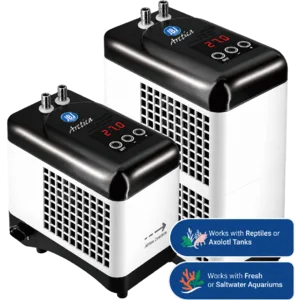
Nano Arctica E-Chiller
Price range: $324.95 through $449.95 Add to Cart This product has multiple variants. The options may be chosen on the product page
Storage and care
Keep blackworms clean, cold, and active.
A simple routine helps maintain quality after delivery.
Rinse
Rinse the worms gently with cool, dechlorinated water after arrival.
Store shallow
Keep them in a shallow layer of clean, dechlorinated water.
Refrigerate
Maintain a cold temperature between 34–40°F and change the water daily.
Feed with care
Offer an appropriate portion and remove excess food when needed.
Who they feed
Useful across a wide range of aquatic care.
Always match portion size and feeding frequency to the species, life stage, and condition of the animal.
Freshwater fish
Conditioning and variety
A moving, protein-rich food for many community fish, breeders, and selective feeders.
Axolotls and newts
Soft, recognizable prey
A familiar live-food format that can support varied, species-appropriate feeding.
Amphibians and invertebrates
Flexible portions
Easy to divide into suitable portions for many frogs, shrimp, and other aquatic animals.
Frequently asked questions
Answers for first-time and experienced keepers.
What are California blackworms?
California blackworms (Lumbriculus variegatus) are freshwater worms commonly used as live food for fish, axolotls, amphibians, and invertebrates.
How should I store them?
Keep them refrigerated in shallow, dechlorinated water at 34–40°F. Rinse them and change the water daily for best longevity.
How long do they last?
With proper rinsing and cold storage, blackworms typically last 7–14 days and may last longer.
How often should I feed blackworms?
Frequency depends on the animal and its full diet. Feed an appropriate portion and monitor consumption and water quality.
Can uneaten worms affect water quality?
Excess food can contribute to waste. Spot feed when practical and remove uneaten portions if they are not consumed.
Where can I get help?
Email [email protected]. Our team aims to respond within one business day.
Ready to add live food to the routine?
Shop current availability and review the product details before ordering.