
Whole-food nutrition
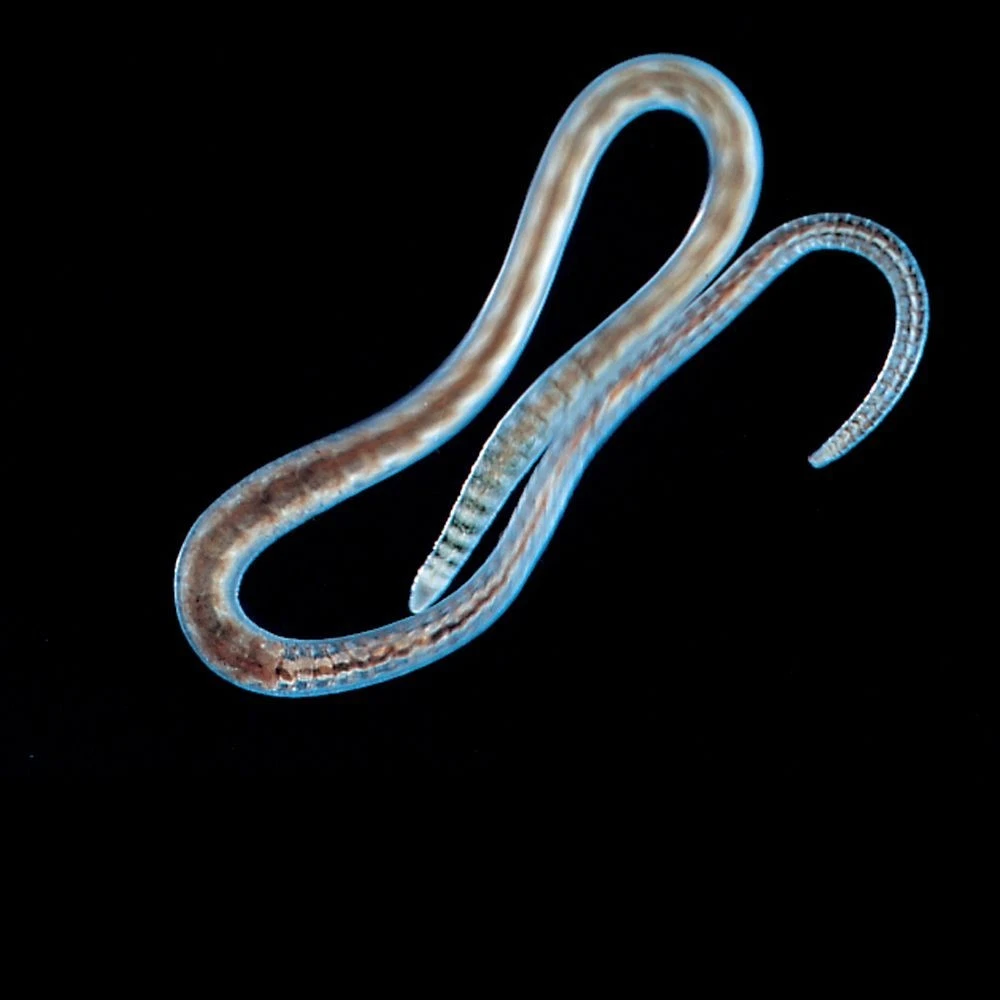
Live California blackworms (Lumbriculus variegatus) provide intact protein, natural fats, moisture, and micronutrients in a form many aquatic animals recognize immediately.
Composition varies with culture conditions and analysis method. The ranges below are typical dry-matter values and are best used as feeding guidance rather than a guaranteed analysis for every batch.
62–66%Crude protein
8–11%Crude fat
8–12%Carbohydrates
80–85%Moisture, as fed
Typical composition
- Crude protein
- 62–66% on a dry-matter basis
- Crude fat
- 8–11% on a dry-matter basis
- Carbohydrates
- 8–12% on a dry-matter basis
- Ash and minerals
- 7–10% on a dry-matter basis
- Fiber
- Less than 2% on a dry-matter basis
Protein and amino acids
Blackworms supply a broad amino-acid profile that supports tissue growth, repair, enzyme production, and conditioning when included in a balanced feeding plan.
Natural lipids
Intact fats provide concentrated energy and fatty acids used in cell membranes, nervous-system function, and normal metabolism.
Trace minerals
Typical analyses identify calcium, phosphorus, iron, and zinc. These nutrients contribute to skeletal development, oxygen transport, and metabolic function.
Moisture and digestibility
High moisture and soft tissues make live blackworms easy for many fish and amphibians to take. Responsible portions help limit uneaten food and protect water quality.
Use as part of a species-appropriate plan
Feeding needs vary by species, age, condition, water temperature, and the rest of the diet. Start with a modest portion, observe the animal, and remove excess food when needed.
Ready to add live food?
Review current availability and product details before ordering.